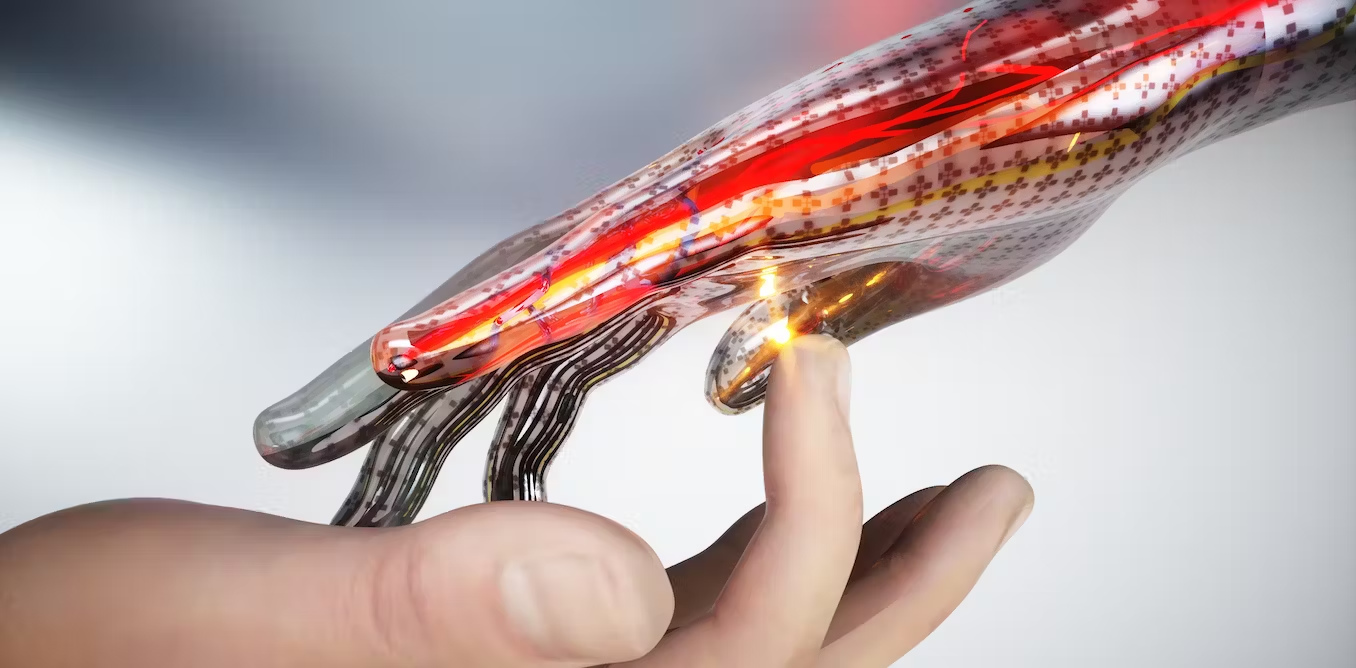
A Glimpse of Prosthetic technology advances Over the years
When we hear the word prosthetics nowadays, we imagine highly sophisticated, very natural-looking systems that restore not only function but also confidence. But things were not always that advanced. Prosthetics date back centuries, from wooden limbs in the early days to bionic arms controlled by nerve impulses. At Chughtai Anaplastology Center, we are happy to be contributing members of this emerging field of Prosthetic technology advances, providing patients with world-class prosthetic care in Pakistan and globally.
A Peek in the Past: Ancient and Medieval Prosthetics
The history of prosthetics begins with Ancient Egypt. Archaeologists found a wooden toe dating from 950–710 B.C., made not only for appearance but also for use. Prosthetics in the Middle Ages were primarily iron or wood, tough, cumbersome, and altogether cosmetic in some instances. Military personnel injured in combat were frequently given simple wooden feet or iron hands, which had limited mobility.
These early prosthetics were a long way from the device we know today, but paved the way for innovation.
Fast Forward: Industrial Age to 20th Century
The Industrial Revolution of Prosthetic technology advances brought with it better materials, leather, rubber, and metal, which made prosthetics slightly more functional and durable. World Wars I and II created a boom in demand for prosthetic hands and feet, and the government needed to invest in design and functionality improvements.
By the mid-20th century, prosthetics were also integrating hydraulics and mechanical joints, enabling wearers greater motion and control.
Smart Marvels: The Smart Prosthetics Era Has Arrived
With developments in Prosthetic technology advances, biomedical engineering, robotics, and neural interface technology, we have arrived at the age of “smart” prosthetics:
- Silicone prosthetic fingers and toes that are nearly indistinguishable from real skin
- Lightweight carbon-fiber prosthetic feet offering shock absorption and energy return for a natural walking rhythm
- Custom color-matched prosthetic hands that restore not only grip but also emotional comfort
- 3D scanning and modeling to ensure every toe or finger fits precisely
Together with Chughtai Anaplastology Center, we take the latest global innovations in Prosthetic technology advances and blend them with personalized care to ensure that every patient is provided with a prosthetic solution that suits his or her lifestyle, anatomy, and appearance.
Beyond Function: Psychological and Cosmetic Restoration
Today’s prosthetics are as much about identity as they are about mobility. Whether a realistic silicone hand, ear, or partial face prosthetic, the objective is to restore both function and self-confidence.
At our facility, we are experts in custom anaplastology solutions such as facial and somatic prosthetics with the latest color-matching methods and innovative materials to produce natural-looking, comfortable, and long-lasting results.
FAQs
Q1: How long does it take to obtain a custom prosthetic from Chughtai Anaplastology Center?
It varies depending on the type of prosthetic. On average, a custom foot or hand prosthesis takes 2–4 weeks from consultation to final fitting adjustments.
Q2: Are smart prosthetics available in Pakistan?
Intelligent prosthetics are indeed available in Pakistan. Functional as well as cosmetic options are made available at Chughtai Anaplastology Center, and with international suppliers of the technology, specialist parts can be arranged.
Final Thoughts
The path from wooden feet to smart bionic prosthetics is a tribute to human determination and ingenuity. At Chughtai Anaplastology Center, we celebrate that heritage by combining empathy with advanced science. Whether you need function, form, or both, our goal is to enable you to move forward, stronger, more confident, and whole once more.