Losing a limb or a facial feature changes everything. Not just physically, but in how a person moves through the world, how they see themselves, and how they’re seen by others. For decades, the answer to that loss in Pakistan was either a basic functional prosthetic or an expensive journey abroad to access something better.
That gap is closing. And the ESKIN instrument is a significant part of why.
What the ESKIN Instrument Is
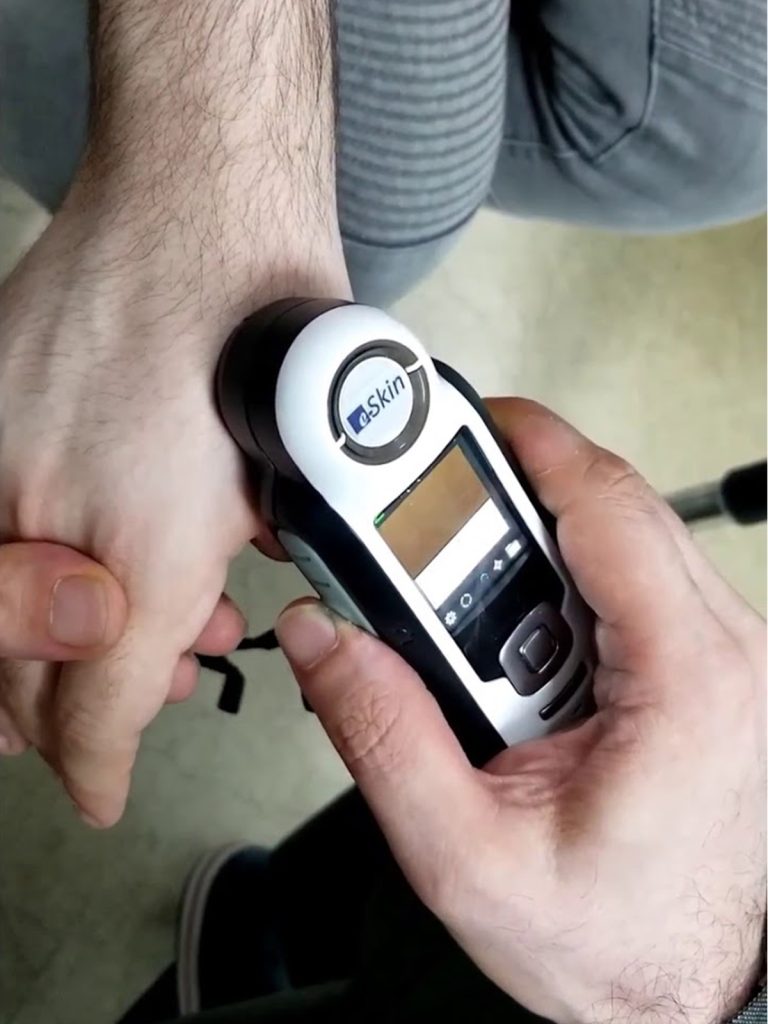
ESKIN is a professional-grade instrument system used in the fabrication of custom silicone prosthetics in Pakistan (prosthetic ears, noses, eyes, fingers, hands, and other anatomical structures) that restore appearance and, in many cases, function.
The technology works by enabling prosthetists to create prosthetics from medical-grade silicone that match a patient’s skin tone, texture, and anatomical structure with a level of precision that older materials and methods simply couldn’t achieve. The result looks natural in a way that transforms not just appearance but confidence.
At Chughtai Anaplastology, the ESKIN instrument is part of a prosthetic fabrication process that takes patient-specific customization seriously from the very first consultation.
Why Silicone Changes Everything
The material matters enormously in prosthetics. Older prosthetic materials- acrylic, hard plastics- were functional but visually obvious. The texture was wrong. The movement was wrong. The color matching was limited.
Medical-grade silicone used in custom silicone prosthetics in Pakistan, like Chughtai Anaplastology, is fundamentally different. It mimics the translucency and texture of real skin. It moves and flexes in a way that looks natural with the body. It can be pigmented with extraordinary precision to match individual skin tones, not a generic approximation, and the patient’s actual color across different areas of their face or body.
For facial prosthetics in particular, where appearance is constantly visible and social interaction is affected directly, this level of material quality is what makes the difference between a prosthetic someone wears with confidence and one they avoid wearing in public.
What ESKIN-Based Prosthetics Cover
The range of prosthetics fabricated using the ESKIN instrument at Chughtai Anaplastology spans several anatomical categories:
- Auricular prosthetics: prosthetic ears for patients who have lost or were born without an ear due to trauma, cancer treatment, or congenital conditions. The ear is one of the most complex anatomical structures to replicate; the ESKIN system handles that complexity.
- Nasal prosthetics: for patients who have undergone rhinectomy or have nasal defects from injury or disease. A well-made nasal prosthetic restores facial symmetry and allows a patient to move through daily life without the constant awareness of their appearance that an uncorrected defect creates.
- Ocular prosthetics: prosthetic eyes that restore the appearance of the eye socket following enucleation or evisceration. Color matching and movement integration are the critical factors here, and the ESKIN system addresses both.
- Digital and partial hand prosthetics: prosthetic fingers and partial hands that restore both appearance and, in many cases, grip and functional capability. For working-age adults who have lost digits in workplace accidents, restoration of function has direct implications for their ability to work and earn.
- Orbital prosthetics: for patients with more extensive facial tissue loss around the eye region, requiring a prosthetic that covers and integrates with the remaining anatomy.
The Customization Process
A prosthetic that fits and looks right doesn’t come from a catalogue. It comes from a clinical process that takes the patient’s specific anatomy, skin tone, lifestyle, and expectations as the starting point.
At Chughtai Anaplastology, the process begins with a detailed assessment, understanding the defect, the patient’s daily life, and what the prosthetic needs to achieve functionally and aesthetically. Impressions are taken. Color matching is done under different lighting conditions. The ESKIN instrument is used in the fabrication process to produce a prosthetic that fits precisely and integrates visually with the surrounding tissue.
The fitting process involves adjustments until the result is right, not just adequate. This is what separates Eskin instrument for prosthetics fabrication done properly from a basic prosthetic fitting.
Why Access to This Technology in Pakistan Matters
Before clinics like Chughtai Anaplastology brought professional-grade prosthetic fabrication to Pakistan, patients with prosthetic needs faced a difficult choice. Accept a basic local option that didn’t meet their needs, or travel abroad, with all the cost and difficulty, to access something better.
That’s no longer the only option. Custom silicone prosthetics in Pakistan that patients can access at Chughtai Anaplastology are fabricated to international standards, using the same instruments and materials that specialist centers abroad use, without requiring a patient to leave the country.
Conclusion
The ESKIN instrument represents what prosthetics should be: precise, patient-specific, and capable of restoring not just appearance but the confidence and quality of life that comes with it. Custom silicone prosthetics Pakistan patients deserve access to are no longer only available abroad. Chughtai Anaplastology brings that standard of care here, with the technology, the clinical expertise, and the commitment to getting each prosthetic right for each individual patient.
If you or someone you know is living with an anatomical defect that a well-made prosthetic could address, the first step is a consultation. Visit Chughtai Anaplastology to understand what’s possible.
FAQs
1.How long does it take to fabricate a custom silicone prosthetic?
The timeline varies depending on the complexity of the prosthetic and the number of fitting adjustments required.
2.Are silicone prosthetics durable for daily use?
Medical-grade silicone prosthetics are designed for regular daily wear. They’re flexible, resistant to the conditions of daily life, and maintain their appearance well with proper care.
3.Is the Eskin instrument for prosthetics available for facial and limb prosthetics both?
Yes, the ESKIN system is used across both facial prosthetics and digital or partial limb prosthetics at Chughtai Anaplastology.