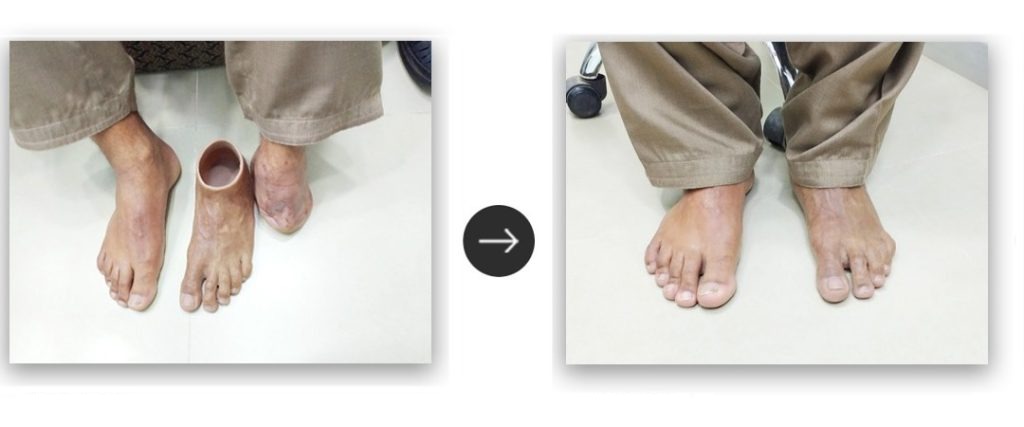
Losing a foot changes everything, and not just physically. The way you move through the world, the things you took for granted, the version of the daily routine you had before, all of that shifts at once. The physical recovery is visible and measurable, but the emotional adjustment runs alongside it in ways that are harder to track and just as important.
What’s also true is that people do adapt. Not easily, and not overnight, but with the right support and the right prosthetic care, the majority of people who go through this process get back to living full, active lives. That outcome is more accessible now than it’s ever been.
The First Few Weeks Are the Hardest
There’s no way around this part; the early stages of adjusting to a foot prosthetic are genuinely difficult. Learning to walk again means relearning balance, coordination, and the rhythm of movement that most people never had to consciously think about before. It takes patience with yourself at a time when patience can feel hard to find.
The experience is different for everyone. The level of amputation, overall health, how rehabilitation goes, and the quality of the prosthetic fit all shape how the adjustment unfolds. What consistently makes the biggest difference is sticking with the rehabilitation programme even when progress feels slow.
What Modern Prosthetics Actually Make Possible
The prosthetics available now are significantly better than those that existed even a decade ago. Lighter materials, more natural movement, better customization, longer durability, the technology of anaplastology services in Pakistan has genuinely advanced in ways that change the practical experience of wearing one.
With a properly fitted and well-designed prosthetic, most people achieve improved balance and mobility, greater independence in daily activities, reduced strain on the remaining limb, better posture, and the ability to return to work, social activities, and recreation in ways they might not have expected were still possible.
The appearance has improved too, something that matters for confidence and comfort in ways that deserve to be taken seriously rather than dismissed as vanity.
The Challenges Are Real! And They’re Normal!
Relearning to walk involves real physical difficulty. Physical therapy builds the strength and stability needed, but it takes time and consistent effort before it starts to feel natural.
Discomfort during the early stages of wearing a prosthetic is common. The fit needs adjusting as the body changes, particularly in the first year. Regular follow-up appointments aren’t optional; they’re how the prosthetic continues to work properly rather than becoming a source of ongoing problems.
The emotional side is something that often gets overlooked in clinical discussions, but is experienced by almost everyone going through this. Frustration, anxiety, and self-consciousness are natural responses to a major life change. Support from family, peer groups of others who’ve gone through the same thing, and mental health professionals, where needed, all make a real difference in how this part of the journey goes.
Why the Quality of Care Matters So Much
A prosthetic that doesn’t fit well isn’t just uncomfortable; it affects mobility, causes skin problems on the residual limb, and undermines the confidence that’s supposed to be building. Proper fitting, customization to the individual’s anatomy and lifestyle, and ongoing follow-up aren’t extras; they’re a part of anaplastology services in Pakistan, which makes the prosthetic actually work for the person wearing it.
Chughtai Anaplastology
For patients looking for the best anaplastology services in Pakistan and specialist prosthetic care, Chughtai Anaplastology provides comprehensive anaplastology services from initial consultation through fabrication, fitting, and long-term follow-up. Their approach is built around the individual, the specific anatomy, the mobility goals, and the lifestyle, rather than applying a standard solution.
The combination of advanced technology and personalized care means patients get prosthetics designed to actually work for their life, not just meet a basic functional standard.
FAQs
1.How long does it take to feel comfortable with a foot prosthetic?
It varies significantly from person to person. Some people adjust within a few weeks, others take several months. There’s no single timeline; what matters is consistent rehabilitation and good prosthetic care.
2.Can people walk normally with a foot prosthetic?
Many people achieve a natural walking pattern with proper rehabilitation and a well-fitted prosthetic. The quality of the fit and the consistency of physical therapy are the main factors.
3.How often does a prosthetic need to be adjusted?
Fairly regularly, especially in the first year, as the body changes. Regular check-ups are important throughout, not just at the beginning.
4.Where can I find professional anaplastology services in Pakistan?
Chughtai Anaplastology offers specialist anaplastology services, including consultation, prosthetic design, fitting, and ongoing patient support.
Bottom Line
Amputation is a major life event. The adjustment that follows is genuinely hard. But it’s also a journey that most people navigate more successfully than they initially believe they will, with the right rehabilitation, the right prosthetic, and the right support around them.
Modern foot prosthetics give people back mobility, independence, and confidence in ways that weren’t possible not long ago. Chughtai Anaplastology is committed to being part of that journey for patients in Pakistan, from the first consultation to the long-term follow-up that keeps everything working the way it should.