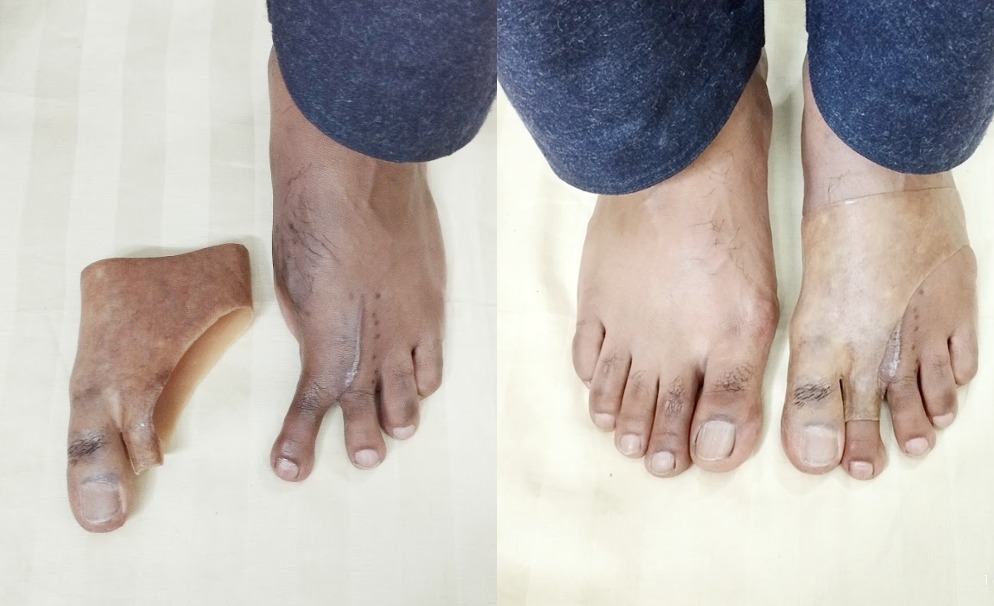
There’s a conversation that doesn’t happen enough about what it actually feels like to lose part of your body. Not just the physical reality of it, though that’s significant enough on its own, but what it does to how you see yourself. How it changes the way you walk into a room, whether you make eye contact, whether you feel like yourself anymore.
For people who’ve experienced the loss or damage of an external body part, through an accident, cancer treatment, a congenital condition, or disease, the emotional impact runs deep. And while surgery is sometimes an option, it isn’t always suitable, and it doesn’t always deliver the natural results people are hoping for.
That’s where the anaplastology procedure comes in. And for many people, it genuinely changes everything.
What Anaplastology Actually Is:
Anaplastology sits at an unusual and fascinating intersection, part medical science, part artistry. It involves creating custom prosthetics that restore the natural appearance of missing or damaged external body parts. Ears, noses, eyes, fingers, whatever has been lost or affected, the goal is a prosthetic that looks so natural it simply disappears into the person’s existing features.
What makes it different from generic prosthetics is the level of individual customisation involved. Every prosthetic is built specifically for the person receiving it, matched to their exact skin tone, shaped to fit their facial or body structure, and refined until it blends seamlessly with what’s already there.
Anaplastologists work alongside surgeons, prosthetists, and other specialists to make sure the result is both medically sound and aesthetically accurate. It’s a collaborative process that takes both precision and genuine skill to get right.
What It Actually Does for People
The physical restoration matters. But patients consistently talk about something else, the moment they feel like themselves again.
Regaining a facial feature that was lost changes how someone shows up in social situations. It changes whether they’re comfortable meeting someone new, attending a family gathering, or going back to work. That shift from self-conscious to comfortable isn’t a small thing. For many people, it marks the beginning of genuinely moving forward after what was often a very difficult period of their lives.
Limb prosthetics restore more than appearance; they restore independence and mobility. Facial prosthetics restore identity. The emotional healing that follows is real, and it’s one of the most significant outcomes of the whole process.
How does the process work?
The anaplastology procedure is methodical and unhurried, which is exactly how it should be.
It starts with a thorough consultation. The specialist takes time to understand the patient’s condition, their medical history, and what they’re hoping to achieve. Measurements and impressions of the affected area are taken carefully.
Modern technology plays a big role here. 3D scanning and digital imaging create an accurate model of the area being restored, which forms the foundation of the prosthetic design. From there, skilled technicians sculpt and colour the prosthetic, a painstaking process where the artistry really shows.
Multiple fitting sessions follow to make sure everything sits correctly, feels comfortable, and looks exactly right. Once the prosthetic is finalised, the patient is guided through how to care for and maintain it properly.
Chughtai Anaplastology Centre
For anyone in Pakistan looking for this kind of specialised care, the Chughtai Anaplastology Centre offers advanced anaplastology services built around genuinely personalised treatment.
From the first consultation through to the final fitting, every stage is handled with careful attention and real expertise. The team uses modern techniques and technology to create prosthetics that are as lifelike as possible, because the goal isn’t just restoration, it’s helping people feel whole again.
FAQs
1.What does an anaplastology procedure actually involve?
It’s the creation of a fully customised prosthetic, matched to your skin tone, facial or body structure, designed to restore the natural appearance of a body part that’s been lost or damaged. It covers external features like ears, noses, eyes, and fingers.
2.Where can I access anaplastology services in Pakistan?
The Chughtai Anaplastology Centre provides professional, personalised anaplastology care with experienced specialists and modern technology.
Bottom Line
Losing part of your body, however it happens, affects more than just physical function. It touches identity, confidence, and how you relate to the world around you.
Anaplastology procedure addresses all of that. Not by pretending the loss didn’t happen, but by restoring what was lost with enough skill and care that people can stop thinking about it and start living again.
For anyone going through that journey, knowing this option exists — and that it’s available in Pakistan — matters more than words can quite capture.